What Is a Headless CMS? A Simple Guide for Digital Teams
As businesses expand across multiple digital platforms, managing content becomes more complex. Many companies are now moving away from traditional systems and asking: what is headless CMS, and why is it becoming so popular?
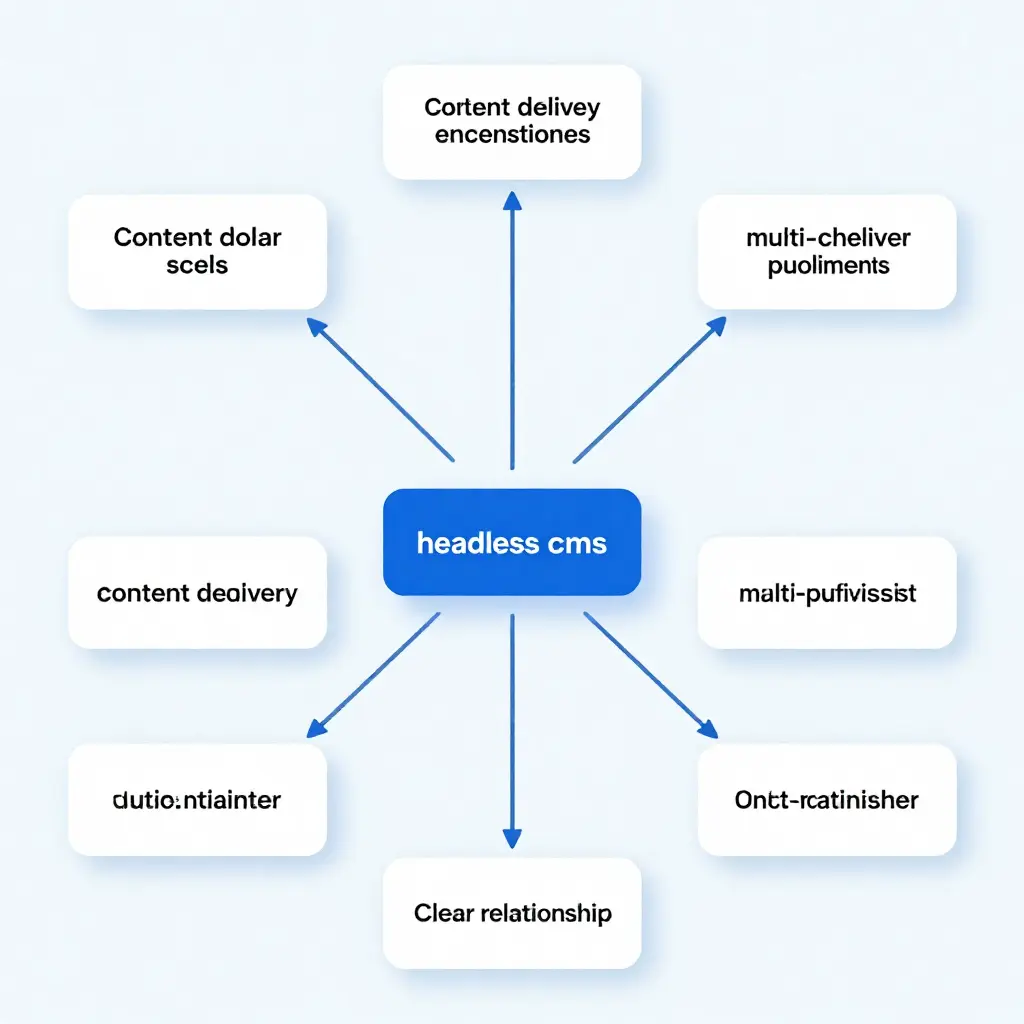
To put it simply, what is headless CMS refers to a content management system where the front-end (what users see) is separated from the back-end (where content is created and stored). This approach gives developers more flexibility to deliver content across websites, apps, and other digital channels.
Understanding what is headless CMS is essential for businesses that want to scale their digital presence efficiently.
Headless CMS Meaning Explained
To better understand what is headless CMS, let’s break down the headless CMS meaning.
In a traditional CMS, the front-end and back-end are tightly connected. This means content is usually designed for a single platform, such as a website. In contrast, a headless content management system removes the “head” (front-end), allowing content to be delivered anywhere via APIs. (storyblok.com)
This flexibility makes it easier to distribute content across:
Websites
Mobile apps
E-commerce platforms
IoT devices
Because of this structure, the headless CMS meaning is closely tied to flexibility, scalability, and performance.
How a Headless CMS Works
When exploring what is headless CMS, it’s important to understand how it actually works.
A headless content management system stores content in a central repository. Instead of controlling how the content is displayed, it delivers content through APIs to different front-end applications.
This means developers can use any technology, React, Vue, or others to design the user interface while still pulling content from the same system.
This separation allows teams to work more efficiently:
Content teams manage content independently
Developers build custom front-end experiences
Businesses deliver content across multiple channels
Benefits of Headless CMS
One of the main reasons companies adopt this system is the wide range of benefits of headless CMS.
1. Flexibility
Developers are not restricted by templates, making it easier to create unique digital experiences.
2. Omnichannel Content Delivery
Content can be published across multiple platforms from a single source, improving consistency.
3. Faster Performance
Because the front-end is optimized separately, websites and apps can load faster.
4. Scalability
As your business grows, a headless content management system can easily adapt to new platforms and technologies.
5. Better Collaboration
Content creators and developers can work independently, speeding up workflows.
These benefits of headless CMS make it a strong choice for modern digital businesses.
Read Too: Using Headless CMS with Sanity
Headless CMS Examples
To fully understand what is headless CMS, it helps to look at some headless CMS examples used in the industry.
Popular platforms include:
Contentful
Strapi
Sanity
Storyblok
These headless CMS examples are widely used by companies that need flexible and scalable content solutions across multiple channels.
When Should You Use a Headless CMS?
Not every business needs a headless system. However, understanding what is headless CMS helps you decide when it’s the right choice.
You should consider using a headless content management system if:
You manage content across multiple platforms
You need high flexibility in front-end development
Your business is scaling rapidly
You want faster performance and better user experience
For simpler websites, a traditional CMS may still be enough. But for growing businesses, the benefits of headless CMS often outweigh the limitations.
Headless CMS vs Traditional CMS
A key part of understanding what is headless CMS is comparing it with traditional CMS platforms.
Feature | Traditional CMS | Headless CMS |
Structure | Coupled | Decoupled |
Flexibility | Limited | High |
Performance | Moderate | High |
Content Delivery | Single channel | Multi-channel |
This comparison shows why many businesses are shifting toward a headless content management system.
So, what is headless CMS?
It is a modern content management approach that separates content creation from content presentation, allowing businesses to deliver content across multiple platforms with greater flexibility and efficiency.
With the growing need for omnichannel experiences, understanding the headless CMS meaning and exploring real headless CMS examples can help businesses make better technology decisions.
Build Scalable Digital Platforms with Exo Digital!
At Exo Digital, we help businesses build flexible and high-performance platforms using modern technologies like headless CMS.
Through our Web App Development service, we design and develop scalable systems tailored to your business needs, whether it’s a website, mobile app, or integrated digital platform.
Contact Exo Digital today and start building a future-ready digital experience with our Web App Development solutions.
Read Too: Headless Integration