Process Manufacturing ERP Software: A Complete Guide!
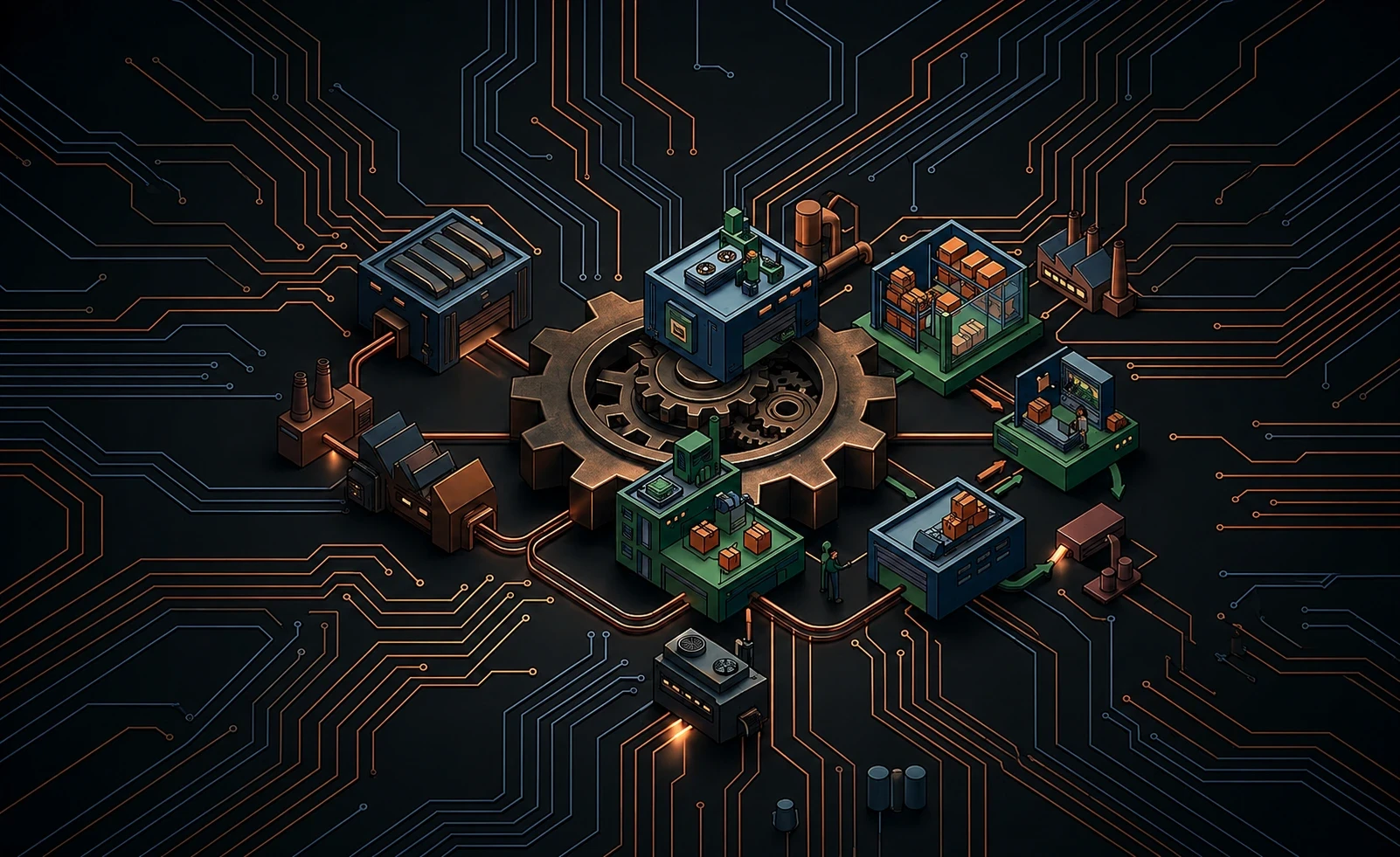
In today’s competitive industrial landscape, manufacturers need more than spreadsheets and disconnected systems to stay efficient. Businesses in food and beverage, chemicals, pharmaceuticals, cosmetics, and packaging rely on accurate planning, traceability, and compliance to remain profitable. This is where process manufacturing ERP software becomes essential.
Unlike traditional manufacturing systems, process manufacturers deal with formulas, recipes, batch production, and strict quality standards. As production becomes more complex, companies increasingly adopt process manufacturing ERP software to streamline operations, improve inventory accuracy, and optimize production workflows.
In this guide, we will explore how process manufacturing ERP software works, its key benefits, essential features, and why businesses should invest in a modern ERP solution.
What Is Process Manufacturing ERP Software?
Process manufacturing ERP software is an enterprise resource planning system specifically designed for manufacturers that produce goods through formulas, recipes, or chemical transformations rather than assembling parts.
Industries such as food production, pharmaceuticals, chemicals, paint, cosmetics, plastics, and beverages commonly use this type of ERP system.
Unlike discrete manufacturing, where products are assembled from components, process manufacturing focuses on ingredients, formulas, and batch consistency. For example, a beverage company follows exact ingredient ratios, while a cosmetic manufacturer must maintain strict quality control for every formulation.
A modern erp software for process manufacturing helps businesses centralize operations, improve traceability, and maintain compliance across the production lifecycle.
Why Process Manufacturers Need ERP Software
Many manufacturers still rely on manual spreadsheets or disconnected software systems. However, fragmented workflows often create inefficiencies, production delays, and inaccurate inventory tracking.
Here are several reasons why businesses invest in process manufacturing ERP software:
Improved Production Visibility
ERP systems provide a real-time overview of inventory, procurement, manufacturing, and delivery operations. Decision-makers can monitor production performance without relying on outdated reports.
Better Formula and Recipe Management
Process manufacturers often require precise formulations. ERP software helps standardize recipes and automatically calculate ingredient ratios during production scaling.
This minimizes human error and ensures product consistency.
Regulatory Compliance and Traceability
Industries like pharmaceuticals and food manufacturing must meet strict compliance requirements.
A robust ERP system allows businesses to track:
Raw material sources
Batch numbers
Production dates
Expiry dates
Quality control records
This improves traceability and simplifies audits.
Reduced Operational Costs
By automating repetitive tasks and minimizing production waste, ERP systems help reduce operational inefficiencies and unnecessary expenses.
Read Too: 8 ERP Benefits: Why Businesses Are Investing in ERP Systems
Key Features of Process Manufacturing ERP Software
Choosing the right process manufacturing ERP software requires understanding the features that support modern manufacturing operations.
1. Inventory Management Software for Better Stock Control
One of the most important ERP capabilities is inventory management software functionality.
Manufacturers dealing with raw materials, ingredients, and packaging components need accurate stock visibility.
An ERP system helps businesses:
Monitor stock levels in real time
Reduce overstocking and shortages
Track expiration dates and shelf life
Improve warehouse accuracy
Manage batch and lot inventory
Without proper inventory tracking, manufacturers risk delays, waste, and unnecessary costs.
2. Production Planning Software for Efficient Operations
Modern ERP systems also function as production planning software, helping manufacturers optimize resources and workflows.
Production planning features help businesses:
Forecast production demand
Allocate labor efficiently
Plan raw material requirements
Reduce bottlenecks in production
Better planning ensures smoother workflows and minimizes disruptions.
3. Production Scheduling Software for Better Time Management
Production delays can significantly impact profitability.
This is why many manufacturers rely on production scheduling software integrated into ERP systems.
Scheduling tools help companies:
Create optimized production timelines
Allocate machinery efficiently
Reduce downtime
Prioritize urgent orders
Improve manufacturing efficiency
With accurate scheduling, businesses can fulfill customer orders faster and improve delivery performance.
4. Batch Tracking and Quality Control
Quality consistency is critical in process manufacturing.
ERP systems provide batch tracking tools that monitor every production stage to ensure products meet quality standards.
This feature is especially useful for industries with strict compliance regulations, such as food processing and pharmaceuticals.
5. Financial and Procurement Integration
A complete ERP system integrates finance and procurement into a single platform.
This enables manufacturers to:
Track operational costs
Improve purchasing decisions
Manage supplier relationships
Generate real-time financial reports
As a result, companies gain better control over cash flow and budgeting.
Process Manufacturing ERP Software vs. Traditional Manufacturing Software
Many business owners wonder whether they need specialized ERP software or if standard manufacturing tools are sufficient.
The biggest difference lies in how products are created.
Traditional manufacturing software works best for discrete manufacturing, where products are assembled from individual parts.
Meanwhile, process manufacturing ERP software is designed for businesses managing:
Recipes and formulas
Batch production
Variable measurements
Ingredient substitutions
Compliance-heavy workflows
For example, changing a formula in food manufacturing impacts ingredient ratios, cost calculations, and inventory requirements simultaneously, something generic systems often struggle to handle.
How to Choose the Right Process Manufacturing ERP Software
Selecting the right ERP system depends on your business needs.
When evaluating solutions, consider:
Industry-Specific Features
Choose software designed specifically for process manufacturers rather than generic ERP platforms.
Scalability
Your ERP should support business growth without requiring a complete system replacement.
Integration Capabilities
Look for ERP software that integrates seamlessly with accounting, CRM, warehouse, and procurement systems.
User-Friendly Interface
A complex system may reduce employee adoption and productivity.
Choose software that is intuitive and easy to navigate.
Vendor Support and Expertise
Reliable implementation and technical support are essential for long-term success.
Common Challenges When Implementing ERP Software
While ERP implementation offers many benefits, businesses may encounter challenges such as:
Employee resistance to change
Data migration complexity
Initial implementation costs
Workflow restructuring
However, with proper planning and expert guidance, companies can successfully transition to a modern ERP environment.
Why Businesses Should Invest in Process Manufacturing ERP Software
As manufacturing operations become increasingly complex, relying on disconnected systems is no longer sustainable.
A reliable process manufacturing ERP software solution helps manufacturers improve operational efficiency, inventory accuracy, compliance, and profitability.
From inventory management software to production planning software and production scheduling software, ERP systems centralize essential business processes into one intelligent platform.
Businesses that invest in the right ERP technology are better positioned to scale operations, reduce inefficiencies, and maintain a competitive advantage.
Transform Your Manufacturing Operations with Exodigital ERP Solutions
Looking for the right process manufacturing ERP software for your business? Exodigital helps manufacturers implement scalable and intelligent ERP solutions tailored to industry-specific needs.
Whether you need advanced inventory management software, smarter production scheduling software, or end-to-end ERP software for process manufacturing, our team can help streamline operations and drive measurable business growth.
Contact Exodigital today to explore the right ERP solution for your manufacturing business.
Read Too: 5 Top Food Manufacturing ERP for the Food Industry